Buyer’s guide · 2027
How to choose a video production company: the enterprise guide
Eight things to judge, the red flags to walk away from, a scorecard for your shortlist and a free checklist to download.
The right video partner shapes how you talk to customers, recruits and staff for years. Here is how to judge them fairly.
By Lydia Chan, Global Managing Director, Casual Films. Reviewed by Oliver Atkinson, Director, Narrative Strategy. Updated November 2026.
The short answer
Five steps to the right partner.
Pick the type
Studio, platform, subscription or AI tool. Decide before you compare names.
Shortlist three
Firms that have made similar films for organisations your size.
Same brief to all
So you compare like with like. The template is in the checklist.
Agree in writing
Sign-off points, rounds of changes, rights and how success is measured.
Free download
The video partner checklist
The five steps, a scoring grid for three firms, fifteen questions and a one-page brief. Print it for your next pitch.
Download PDFOn your shortlist?
How to make the case for Casual
The case in one paragraph, four reasons, and answers to the questions your boss and procurement will ask.
Download PDFStep 1
Match the type of partner to the job.
Most bad hires happen before anyone compares names: a firm built for one kind of job is asked to do another.
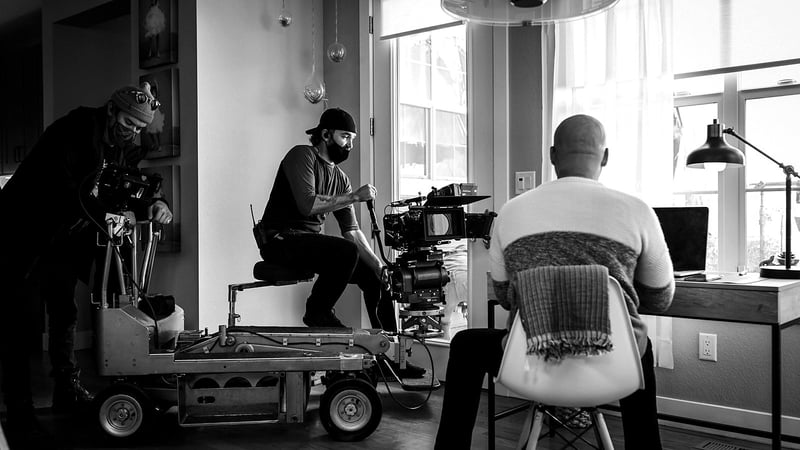
Studio with its own offices
Consistent films across many countries, with strategy first and measurement after.
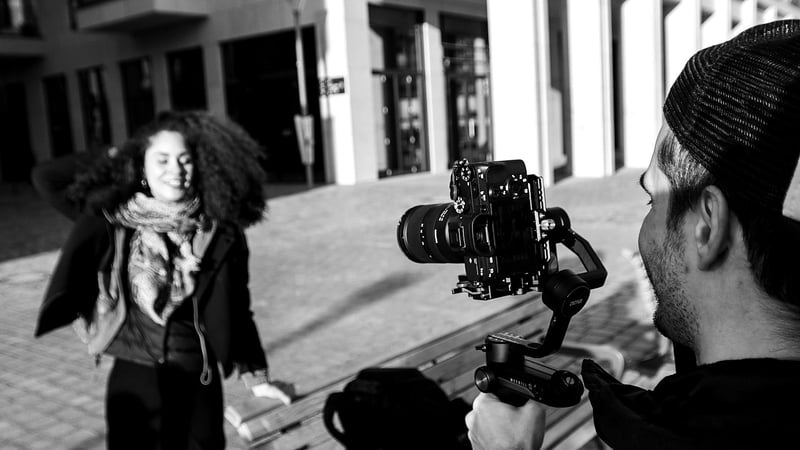
Local studio
One market, one team, close collaboration and fast decisions.

Creator platform
High volumes of simple, quick-turn content filmed by local freelancers.
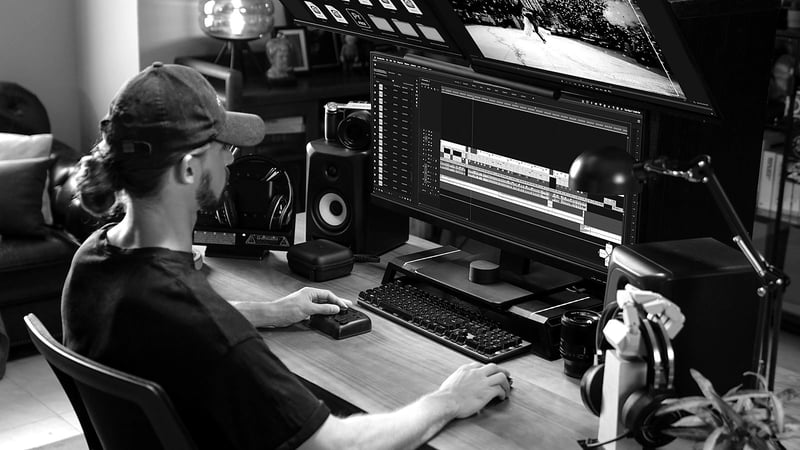
Subscription
A steady flow of edits, cut-downs and design for a monthly fee.

Network agency
Video as one part of a wider advertising campaign.

AI avatar tool
Training updates in many languages, quickly and cheaply.
What the research says
Creative quality wins shortlists. Price is the gate.
How marketers say they choose, and rule out, the agencies they hire.
of US brand marketers say cost is the most important factor.
ANA, 4A's and Advertiser Perceptions 2023, via eMarketer
Not sure which type you need?
Answer three questions.
1. How much video do you need in the next year?
2. Where will you film?
3. What does the video have to do?
Pick one answer for each question.
Step 2
The eight things to judge a video partner on.
Tap each one for what good looks like, the question that separates firms, and the red flag that should end the conversation.
Proof of similar work
A reel shows taste. You need evidence they have solved your kind of problem, for an organisation like yours, with legal sign-off and several stakeholders.
Independent reviews and references
A firm's own testimonials are chosen by the firm. Verified reviews and references you call yourself show how it behaves when things get hard.
Strategy before production
The most expensive mistake in video is a beautiful film about the wrong thing. Good partners question the brief before anyone writes a script.
Measurement after release
Decide how the film will be judged before it is made. Partners that measure tell you which version works and what to change next time.
Reach
"We can film anywhere" usually means "we can hire someone anywhere". Consistency across countries comes from the firm's own people on the ground.
Enterprise readiness
Procurement, IT and legal will all have questions. A partner used to large organisations has the answers ready and does not slow you down.
Process and pace
Most overruns come from unclear approvals, not the shoot. Know the timeline, the sign-off points and how many changes are included.
Commercials and rights
Two quotes can differ by half because one includes music, translations, cut-downs and usage rights and the other does not.
Step 3 · Free tool
Score your shortlist side by side.
Set how much each thing matters, then score up to three firms after their pitch. The total is weighted out of 100. Nothing you enter leaves your browser.
| What you are judging | How much it matters | |||
|---|---|---|---|---|
| Weighted score | 0 | 0 | 0 |
What good looks like
Three briefs, and what came of them.
Ask every firm on your shortlist for examples like these: a real brief, the thinking behind the film, and a result you can check.
Project Relate
- The brief
- Launch an app that helps people with non-standard speech be understood.
- What made it work
- The story is told by the people who use the app, not by Google.
- The result
- Silver Telly Award 2024 for accessibility. Google shared it on its Google Research YouTube channel and came back for more stories.
The Next Chapter
- The brief
- Customer stories that sell a Work AI platform to enterprise buyers.
- What made it work
- Real customers telling their own stories, made as a series.
- The result
- US$116M of sales pipeline influenced, at twice the industry-average click-through rate.
Hoop Cities
- The brief
- A content series for basketball fans in Europe.
- What made it work
- Eight documentary episodes, each about one of Europe's basketball cities.
- The result
- The NBA's lead content series globally, with 35 million+ views.
Step 4
What it costs, and how long it takes.
Few firms publish prices. Those that do range from a few thousand dollars for a simple animation to US$150,000 or more for an ambitious multi-location film.
These seven decisions drive most of the difference between quotes. Try our cost calculator for a range in two minutes.
What each budget typically buys
Illustrative examples from our own projects, not quotes. Your price depends on the seven decisions above.
One clear message, made well.
- One film of up to two minutes
- One shoot day, one location
- A small crew and two or three interviews
- Script, edit and two rounds of changes
- One or two social cut-downs
A hero film with assets for every channel.
- Treatment and storyboard before filming
- Two or three shoot days and locations
- A larger crew, lighting and motion graphics
- A hero film plus three to six cut-downs
- Captions in two or three languages
A series that runs across markets.
- A series of films, or one ambitious film
- Shoots in several countries with local crews
- Documentary, cast or animation at scale
- Versions for many languages and formats
- Results tracked against your KPIs
Brief to final files
Published timelines from 18 studios we reviewed in October 2026. The biggest variable is usually how fast your stakeholders sign off the script and first edit.
Four ways to buy
Per project
One film or a defined set. Check the revision rounds and rights.
Annual budget
A year of films, drawn down as you go. Check how unused budget is handled.
Subscription
A steady flow of edits for a monthly fee. Check the minimum term.
Platform
Lots of simple films, fast. Check who owns the idea and quality.
Before you sign
The procurement pack to ask every partner for.
A partner ready for enterprise work sends these within a day or two. If they cannot, expect delays later.
Insurance certificates
Public and employer’s liability, professional indemnity, and cover for equipment and productions abroad.
Data protection agreement
How they handle footage of your people and customers under GDPR and local privacy laws.
Security answers
Your information security questionnaire answered in writing: where files are stored and who can access them.
Sample contract
Payment terms, rounds of changes, cancellation, and who owns the film and raw footage.
Release forms
Consent from everyone on camera, plus music and stock licences with the term and territories stated.
Risk assessments
Health and safety plans for each shoot, especially on your sites or in public places.
Company and tax details
Registration, tax forms such as a W-9 or W-8, and bank details your finance team can verify.
Accessibility
Captions, transcripts and, where you need it, audio description as part of the price.
Ours, ready now
The Casual Films procurement pack
Our insurance, data protection, security, contract, release, safety, company and accessibility details in one PDF. Any document on it reaches you within one working day.
Download PDFWatch out for
Potential red flags.
No questions first
They pitch a script before asking about your audience, goals or how you will measure success.
Pretty, not proven
A showreel, but no case studies or results you can check for clients like you.
Hidden extras later
One lump-sum price with no breakdown, or a quote far below the others.
Bait and switch
Senior people pitch, but they cannot say who will actually make your film.
Scope creep
No written timeline, sign-off stages or limit on rounds of changes.
Rights trouble
Vague answers on who owns the footage, music and people on camera, and for how long.
In the interest of fairness
How Casual answers the eight.
We wrote this guide, and we make enterprise films. Hold us to the same standard as everyone on your list.
Written by Casual Films. Updated November 2026. Survey figures link to their sources. Price and timeline ranges come from the published websites and Clutch profiles of 18 video production firms, checked between 25 October and 9 November 2026. Budget examples are illustrative. Spotted something out of date? Email info@casualfilms.com.
About this guide
Written by people who make enterprise films.

Lydia Chan
Global Managing Director, Casual Films, New York
Lydia leads Casual’s work with clients across the Americas and helps global brands plan video programmes that run in many markets at once.

Oliver Atkinson
Director, Narrative Strategy, Casual Films, London
Olly leads narrative strategy at Casual, shaping the story behind every film so it lands with the audience it is made for.
Updated November 2026. Casual Films has made 19,785 films since 2006, and counting, from eight offices in seven countries.
Choosing a video partner: quick answers.
Decide what type of partner the job needs first: a studio with its own offices, a local studio, a creator platform, a subscription or an AI tool. Then shortlist three firms that have made similar films for organisations your size. Judge them on proof of similar work, independent reviews, strategy, measurement, reach, enterprise readiness, process and commercials. Send all three the same brief and score their answers side by side.
Evidence they have solved your kind of problem before, verified reviews from large organisations, a method for strategy before filming, results for named clients, their own people in your key markets, ready answers for procurement and security, a clear approval process, and an itemised quote with clear usage rights.
Few firms publish prices. Those that do quote anything from a few thousand dollars for a simple animation to US$150,000 or more for an ambitious multi-location film. Shoot days, locations, countries, people on camera, animation style, versions and rights drive most of the difference. At Casual, films start from US$15,000. Our cost calculator gives you a range in two minutes.
Published timelines from the studios we reviewed run from 2 to 12 weeks from brief to final files for a single film, and animated explainers typically take 4 to 9 weeks. The biggest variable is usually how quickly your stakeholders sign off the script and the first edit.
Who the audience is, what they should think or do after watching, how you will measure it, where the film will run, how many films and versions you need, who signs it off, must-haves and no-go areas, your budget range, key dates and how you will choose a partner. A brief template is in the free checklist.
Start with: which project of yours is most like ours, what would you challenge in our brief, who exactly will work on it, how will we know the film worked, and who owns the footage and music afterwards. All fifteen questions are in the free checklist.
Use a studio when the film has to change what an audience thinks or does, or must look the same across several countries. A creator platform suits high volumes of simple, quick-turn content. A subscription suits a steady flow of edits and design on a fixed monthly fee. AI avatar tools suit training updates in many languages, not films with real people and places.
Two or three rounds at each stage is common. More important is agreeing what counts as one round, what you sign off before filming, such as a treatment or a script, and what a change after the shoot costs. Get all three in writing.
It depends on the contract. Ask who owns the final film and the raw footage, and how long you can use the music and the people in it. Rights that lapse can take a film offline a year after launch, so agree the term and territories before you sign.
Casual Films, a video production company with eight offices in seven countries. We have kept the guide useful whoever you hire, and set out our own answers to the eight criteria on this page. Spotted something out of date? Email info@casualfilms.com.
Brief us