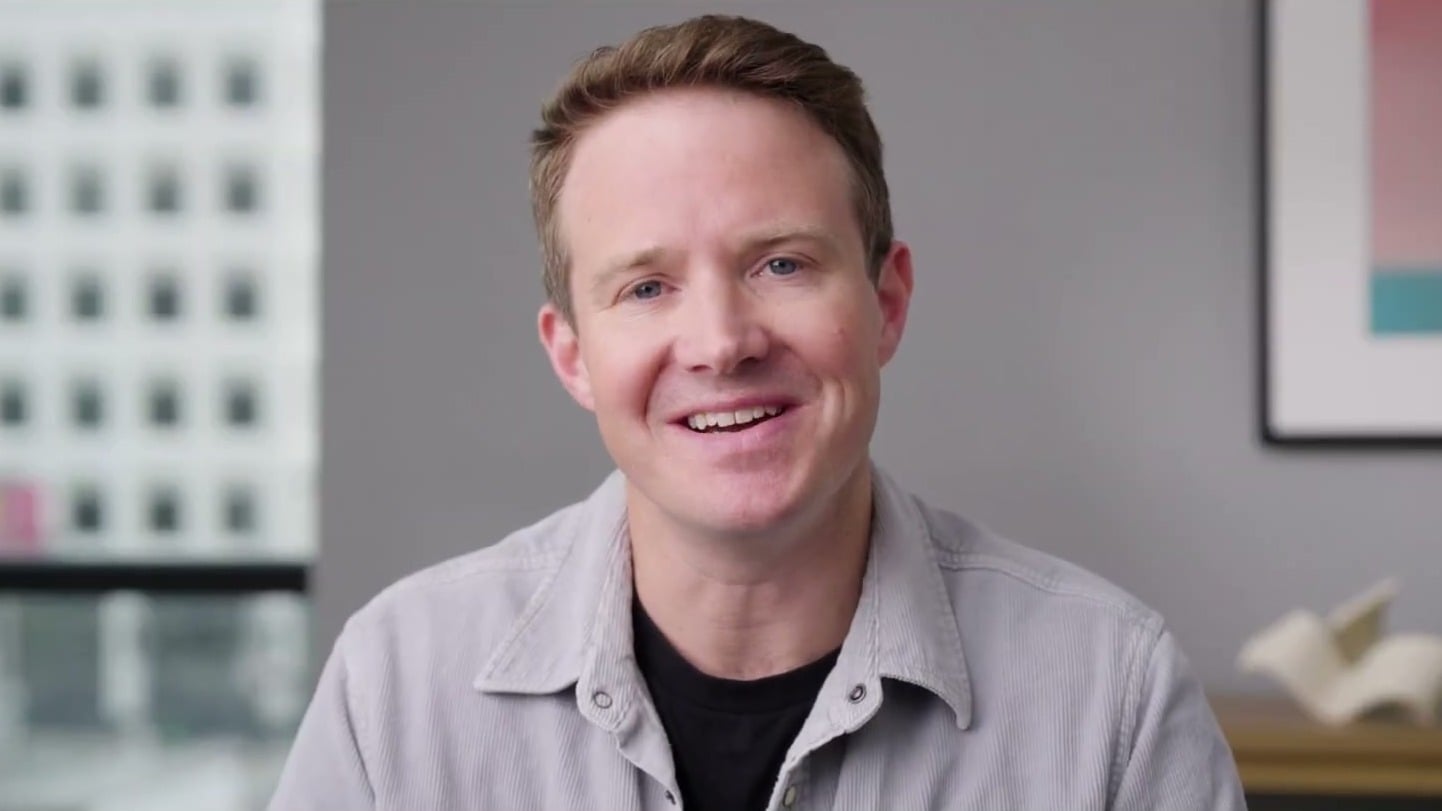
I've spent quite a long time surrounded by cameras and crews.
Last October I ended up on the other side of the lens, being interviewed for Docusign's Customer Stories series about how we use their platform.
We've used Docusign's products for years, and to make it stranger, this was a Casual shoot. Casual's own team filming me, their boss.
Even with all my experience, being in front of the camera on a formal shoot did catch me a little off guard.
Having watched the film back, here are a few reflections so you're a little more prepared when it's your turn in the chair.
1. Expect the jolt
It is quite startling to suddenly be in front of a room full of lights, an interviewer and a camera, and to have to perform in that set-up.
You may have unfamiliar colleagues in the room, and it's understandable that you want to give the best impression.
I've stood on the other side of that arrangement for two decades and it still felt completely different facing the other way.
If it rattles you for the first few minutes, that's normal. It rattled me.
2. Get the basics right
It can be warm under the lights. Genuinely warm.
Have a glass of cold water within reach and wear breathable clothes. Get a good night's sleep. None of this is glamorous advice, but a hot, tired, uncomfortable interviewee will struggle to give their best.
Do some breathing exercises, maybe even a power pose beforehand (ideally off camera!), and try to relax.
3. Prepare themes and anecdotes, not lines
Think in general terms about the questions you're likely to be asked and have an idea of what you might talk about.
Most of all, think about specific stories and anecdotes that are relevant. They are so much more engaging than simple answers.
In my film, the stories that survived were the specific ones: our first job, filming a drive to Mongolia in a 1987 Mini, and what genuinely keeps me awake at night.
4. Whatever you do, don't script your answers
Having interviewed hundreds of people, I find it's often the most senior who struggle most.
They feel more pressure to say the right thing and not say the wrong thing, so they script their responses, and unless they're a real pro it makes them come across as mechanical.
The rehearsed, stressed version of you is a worse interviewee than the real one.
5. The interviewer is on your side
In corporate and brand documentary work, nobody is there for a gotcha moment. Nobody is trying to trip you up.
We've all seen scary journalist interviews on the news and in investigative documentaries, and this just isn't that.
Everyone in the room wants you to give the best possible reflection of yourself, your company and your role.
Don't be scared. You're among friends.
6. The answers are already in there
This was the thing that struck me most. Being asked lots of different questions, from lots of angles, is what helped me find the answers that made the final cut.
The lines that made the cut in my film, about the fear of being in breach of an insurance covenant somewhere in the world, weren't planned.
A good interviewer drew them out. Their whole job is helping you find what you already know.
7. You might actually enjoy it
It's always strange to see yourself on camera. But somewhere in the middle I started to enjoy the process, and you can see it in the film.
I've got a bit of a smile on my face the whole way through. Trust the edit, too. You're judged on the ninety seconds that survive, and the people cutting them want you to look good.
So, here's a question for you: what's your biggest fear about being interviewed, and how do you think you could overcome it?
This piece first appeared in Beyond Casual, Nick's newsletter on LinkedIn, on 8 July 2026.