This one is a bit of a departure, but it is connected to the things I usually write about: creativity, culture, and how moments of shared storytelling can shape a nation's mood. Humour me.
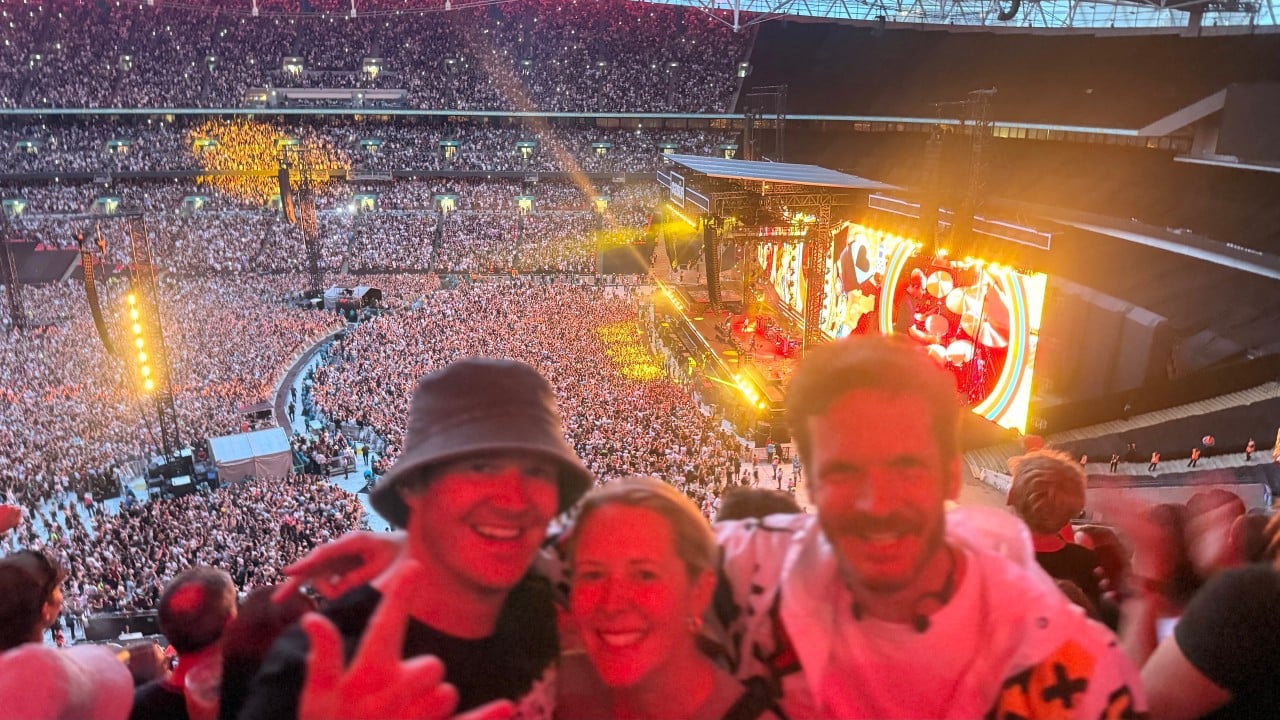
Last weekend we were lucky enough to get our hands on some tickets for Oasis at Wembley. It was incredible. Being in a stadium of 92,000 people who know almost every word of every song, and who genuinely didn't think it would ever happen, is quite the experience. Watching two brothers who have been largely estranged for 30 years come together on stage and manage what was almost a fraternal hug was quite something too.
Anthems of optimism
What it really made me think of, though, was how optimistic so much of the music is. Songs like Live Forever, Stand By Me and D'You Know What I Mean? are anthems of togetherness and positivity. It was so refreshing to be reminded that there was a time when the future in the UK looked brighter than the past.
Britpop in the '90s
During the 1990s, Oasis were the kings of the Britpop age. The whole movement came in the aftermath of Black Wednesday in 1992, when the UK was forced out of the European Exchange Rate Mechanism, a system designed to stabilise currencies across Europe. The economic fallout was brutal and trust in government was at a low. After over a decade of mostly Thatcher-led Conservative rule, the country felt directionless and divided.
Swagger and survival
Against this backdrop, Britpop chronicled what it was like to be young in Britain in those down-at-heel times. Songs like Blur's Parklife, Pulp's Common People and Supergrass's Alright are vignettes of life in a nation that had outwardly lost its way. The songs, though, have such a British swagger, pragmatism and positivity in the face of adversity. As Noel Gallagher himself once said: "We're not arrogant, we just believe we're the best band in the world." That kind of self-belief was infectious.
This defiant optimism isn't new. Richard Holmes, in his book on the First World War soldier, Tommy, attributes British resilience in the trenches partly to dark humour, a way of laughing in the face of horror. Britpop, in its own way, channelled that same spirit.
A country searching for itself again
Britain in 2025 is similarly down at heel. Our discourse has become so serious. The country doesn't seem to be working and no one can quite work out why. We've lost that famous mix of humour and hope. In the '90s, Britpop reminded us that life wasn't so bad. It laid the cultural groundwork for Cool Britannia, when British music, fashion and optimism hit a global high.
In moments of national uncertainty, British creative excellence has consistently stepped into the void, not just to entertain, but to reflect, redefine and often lift the national mood. From The Beatles to Bond, Monty Python to Danny Boyle's Olympic opening ceremony, our artists, musicians, writers and filmmakers have shaped how we see ourselves, and how the world sees us. Britpop was part of that lineage: not just a soundtrack, but a mirror and a megaphone for a generation. And when belief in institutions fades, it's often our creatives who step in to remind us who we are.
Cool Britannia and the promise of progress
When Tony Blair's centre-left Labour government swept the 1997 election to the soundtrack of D:Ream's Things Can Only Get Better, the conversion seemed complete. It was a minor golden age for the UK, and for my generation, the first to come of age in the new millennium, the future looked bright.
The mood today
Fast forward 25 years and the national mood has changed. I was struck by how many relative strangers, on learning that we live in California, said: "That must be good. Whatever you do, don't come back here." Division, animosity and pessimism abound. Maybe tomorrow really will be worse than today?
Don't look back in anger
Watching that concert, shouting every lyric with nearly 100,000 strangers, I felt something I hadn't felt in a while: hope for Britain. If even the Gallagher brothers can bury decades of animosity and come together on a stage, then just maybe, so can the rest of us.
This piece first appeared in Beyond Casual, Nick's newsletter on LinkedIn, on 7 August 2025.