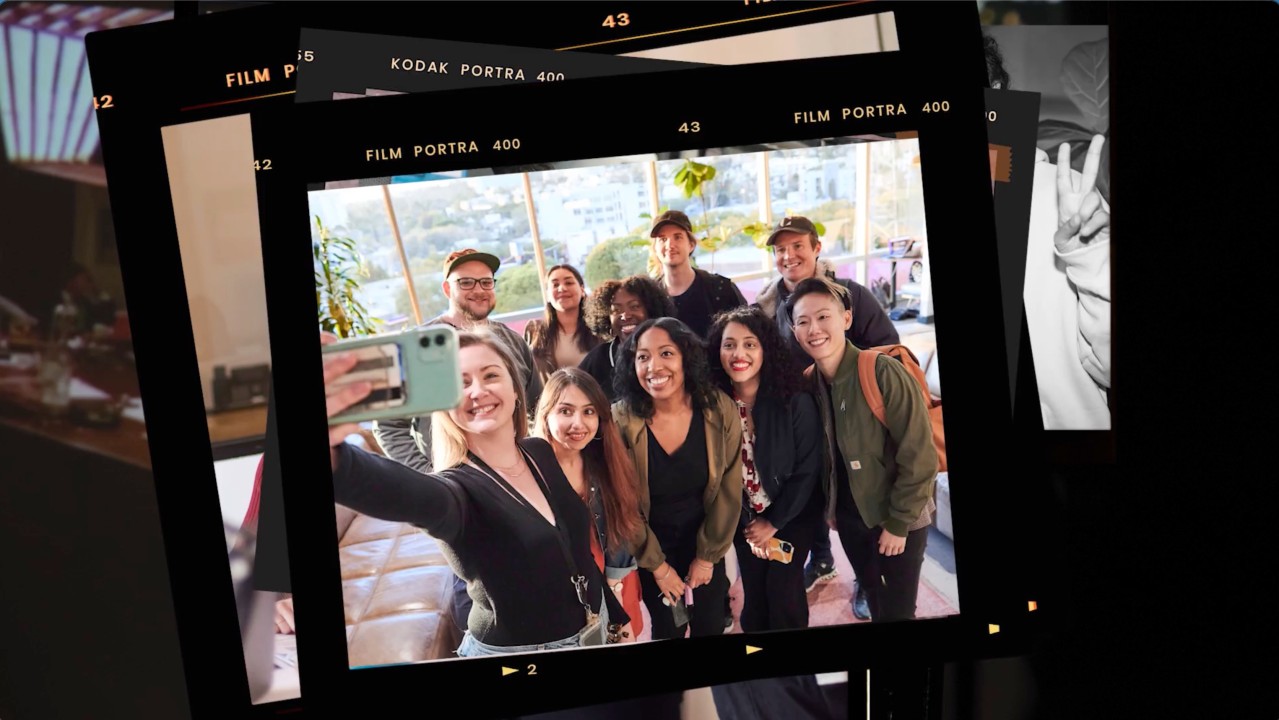
2026 marks the 20th anniversary of the founding of Casual Films. It has been quite the journey!
During that time, we have built what has come to be regarded as one of the best brand content studios in the world. Like any major milestone, this is an opportunity to reflect on what we've done well and what we could have done (way) better over the last two decades.
Over the next few months, I am going to share some of the things I wish I had known when we first started out in 2006, clattering down the road on our way to Mongolia in an old Mini.
This week, I wanted to look at the glue that has tied the whole thing together from the very beginning…
One question I get asked a lot is how we keep a company spread across so many different time zones and offices functioning.
The simple answer is our values.
They say that values are what people do when no one is watching. Naturally, when you have seven offices and scores of people working from home, there is a hell of a lot of time when no one is monitoring!
This is why our culture is utterly essential to us to this day.
Culture is everything
From our earliest days as a company, our culture has defined us. From the beginning, we took our project work extremely seriously, while not taking ourselves too seriously at all.
When a business is small, the culture is self-reinforcing. The positive culture of a team of up to around eight occurs naturally. A few good people pulling in the same direction – that just works.
As businesses grow, they tend to lose the zeal of the core founding team. It is hard to scale that energy. Then – if you're not careful – things start to slip. Once you get beyond 35 people, the nature of the company or office changes again profoundly.
Cliques and groups form as it is not possible to keep up with that amount of personal information – spouses, partners, kids, and birthdays – and so the group fragments.
Because of this, it becomes necessary to be extremely intentional about culture, values, and behaviours. You have to look at the people who are the best at what you do and work out what makes them tick.
What we actually did
That is exactly what we did. We looked at our best members of staff and the values that they exhibited. Then we condensed these down to five. The values were based on living experience, not by the leadership team going to a conference room and thinking about what they should be.
We weren't interested in values like Honesty, Integrity, or Decency. Not because they don't matter – they are table stakes. If you don't have these, you shouldn't even get in the door. What we wanted to capture was what made our best people different.
Casual’s Values
• Passionate about making clients happy
• Can-do and Proactive
• Team spirited and Accountable
• Entrepreneurial
• Open and Positive
Making it real
Once you have your values, you recruit, incentivise, and promote in line with them.
Having the values allows you to create a matrix, with the values down one side and every member of staff across the top. They then get a green, orange, or red flag for exhibiting the value: green – most of the time, orange – some of the time, red – none of the time.
Following this assessment, you can see who is values-aligned and who isn't. This can help to shine a light on where staff can improve - something that is not always immediately obvious without the matrix.
This then forms the basis for conversations aimed at moving everyone to green. In reality, that might not be possible for everyone, so after the opportunity to show those values, you may need to have a more serious conversation.
Once you have a critical mass of values-aligned people, they become self-policing. You can get a few people to spend time with a potential recruit. They will quickly determine whether they are the right fit.
This also allows you to expand to other locations. It is extremely important to be clear about what you are exporting, and values are, of course, the underpinning of any successful new office.
Rome wasn't built in a day
For many businesses, values are something confined to vinyl stickers behind the reception desk or to slogans on a mouse mat. To really see the benefit, you have to live and fight for your values every single day.
Over the years, we have parted company with over 50 people who didn't quite align with our values. That is not a small number, and none of those conversations were easy. In most cases, it is not a reflection of their talent, as our past staff have gone on to success with many other companies in the sector; they just didn't quite fit what we are trying to build.
The culture is why you can walk into any of our offices, anywhere in the world, and you know you are going to get a friendly, creative, proactive person ready to help.
It has been the honour of my working life to be able to assemble and get to know all our team. This is also one of the things that makes having to part company with people so hard.
Become One – and the tension that comes with it
At some point, we realised we needed to articulate what all of this was really in service of. That is how we developed our Become One framework – the idea that our company exists to bring people together. I am still extremely proud of this purpose positioning of our brand, as it does so much to explain what makes Casual special.
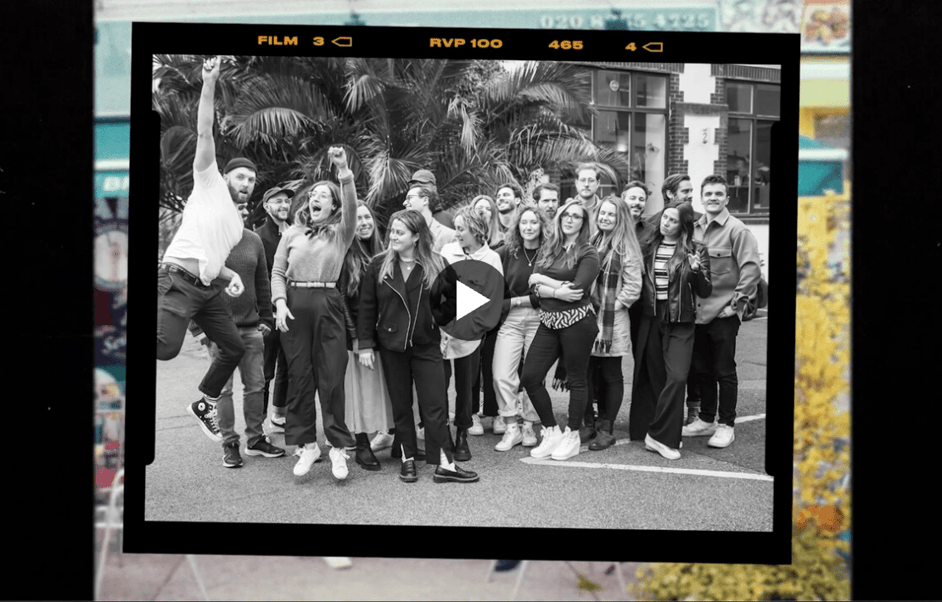
What is Become One?
Become One did become more personally challenging for me, when we needed to reshape the business. What is the meaning of bringing people together when you are having to rebalance the company?
You could argue that making the company fit for the future is an act of bringing people together – that we were protecting the thing that made it all worth showing up for.
It is still something that doesn't sit quite right, though, and that frankly is just one of the things you are going to have to get used to in running any business for 20 years.
Still on the road
Ultimately, we're still clattering down the road, just in a bigger, better, more experienced company.
And for that I am grateful.
Know someone who might benefit from this article, or others like it? Take a moment to share it with them. I have ten of the most important lessons I have learned coming over the next few months.
Next time - You Get What you Tolerate