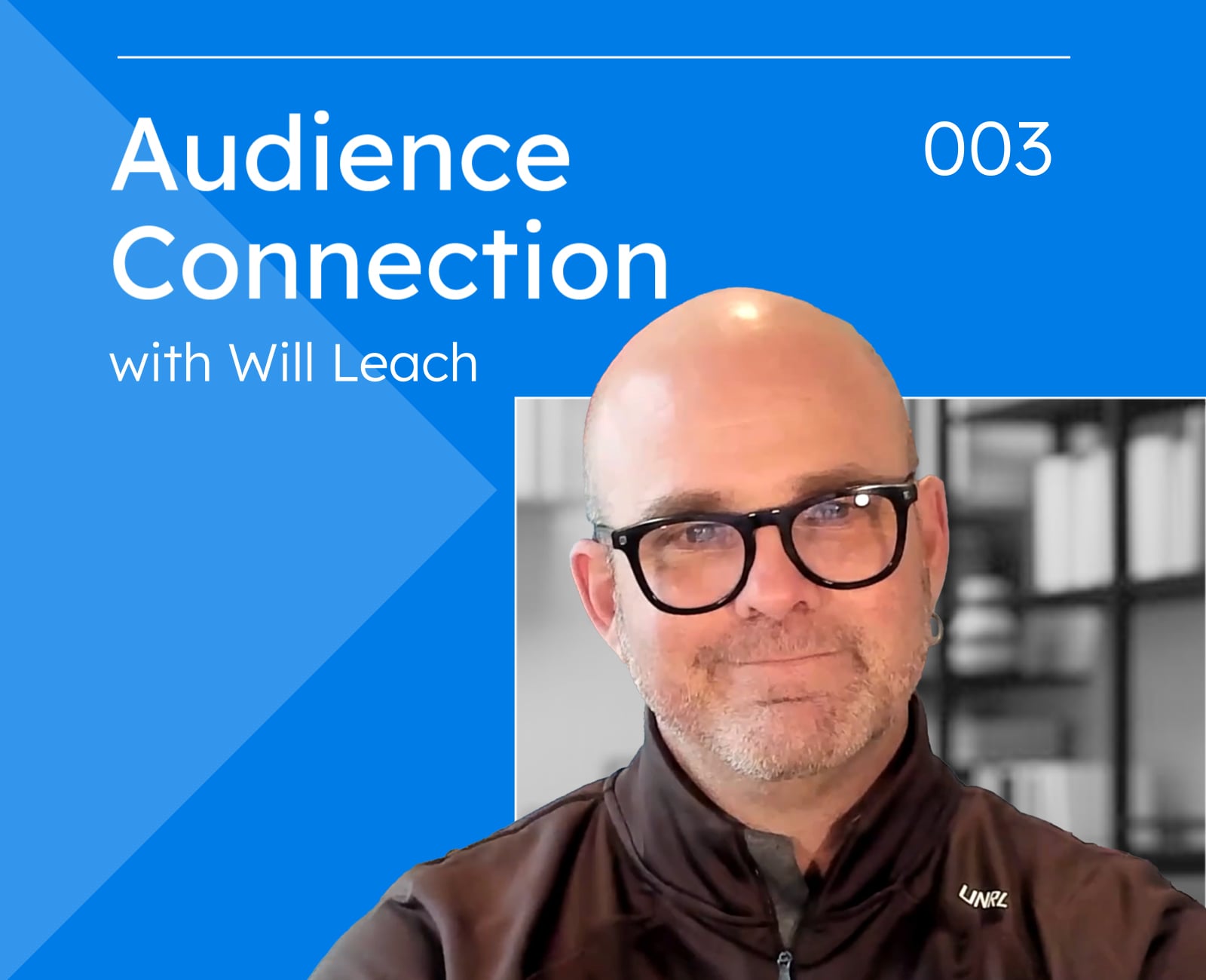
Episode 3, Season 2 explores how psychological “MindStates” shape audience decisions and offers a practical framework for marketers and communicators seeking measurable behavioural lift.
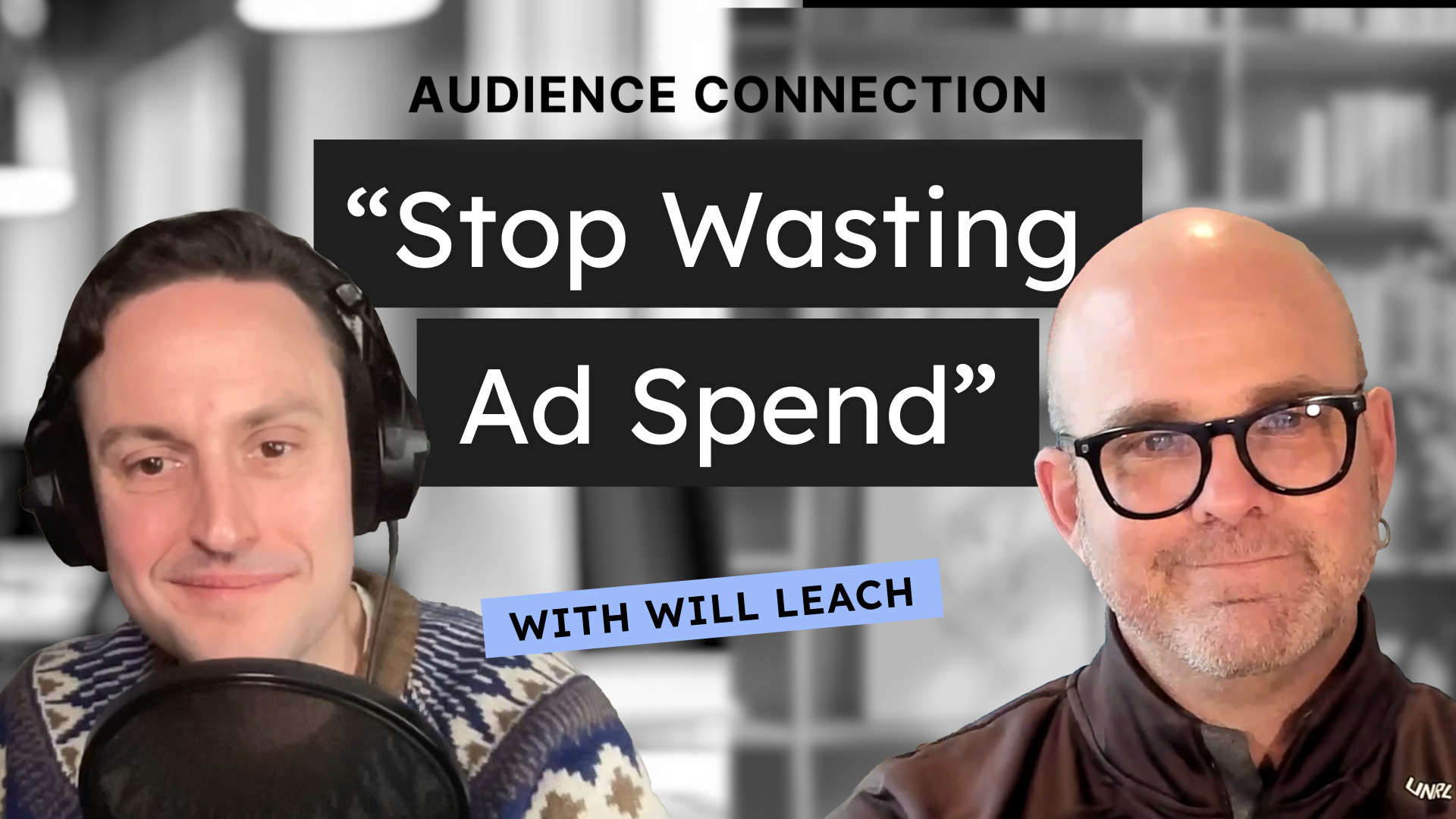
Casual has released the third episode of its second season of Audience Connection podcast. The episode features Will Leach, behavioural science researcher, founder of MindState Group, and author of Marketing to MindStates. Hosted by Oliver Atkinson, the episode examines why audiences respond differently to the same message depending on their psychological state in the moment and how brands can design communications that account for this.
Central to the conversation is Leach’s MindState model, a four-part behavioural framework comprising goals, motivations, regulatory fit, and decision triggers. Leach explains that understanding a customer’s temporary “hot state” — a moment of heightened emotional arousal — is more actionable than static persona profiles. “A mind state is really a way of thinking about a moment in time when your customers are making a decision,” Leach states in the episode. “When you understand their psychological mind state that they’re under, you now know the types of words they want to hear, the types of motivational language they like to hear, the visuals, et cetera.” The episode also addresses a finding that will resonate with many communications professionals: adding more information to a message frequently reduces rather than increases persuasion. As Leach explains, “For every piece of new information that you’re trying to give them more facts, more information to make a better decision, you’re actually creating more cognitive load.” With audiences making an estimated 35,000 decisions every day, Leach argues the most common outcome is not rejection but deferral — “The number one decision we make every single day...is to not decide. You just say, I’ll look at that later.”
.jpg?width=1080&height=1350&name=WillLeach_Social%20Graphics_1%20(1).jpg)
The episode also covers practical applications for B2B environments, including how to identify a buying committee’s dominant regulatory focus, whether cautious or optimistic, and how to frame messaging accordingly. Leach draws on case studies from his work with major consumer brands, including a hotel campaign that was initially dismissed by a chief marketing officer, then championed once it was reframed through the lens of social proof. The discussion extends to the role of artificial intelligence in behavioural research, including Leach’s platform Bevy (Behavioural Intelligence), which creates emotionally intelligent customer personas that teams can consult in real time during strategy and creative meetings.
This episode is available now on all major podcast platforms. Show notes, guest links, and additional resources can be found at Casual’s website.